

What sparked the boom?
During the summer of 2022 the average wait time to enter a public VR room on Horizon Worlds fell dramatically—from about 30 seconds to under five. That single number signaled something bigger: developers finally started tuning their network code for social play instead of just solo experiences. The payoff? A surge of new spaces where strangers could meet, game together, and even throw virtual parties without ever leaving their living rooms.
Hardware that finally caught up
Two years ago, high‑end headsets were pricey, tethered devices that cost more than $1,000. Today the Meta Quest 3 sells for $499, the Pico 4 for $449, and the upcoming PlayStation VR2 bundles with a console for $549. Those price tags make it possible for families and college students to buy a headset without blowing their budget.
Battery life matters, too. The Quest 3 claims about two hours of continuous play, and most users report roughly 1 hour 45 minutes before they need a quick charge. That’s enough for an hour‑long gaming session followed by a relaxed chat in a virtual lounge.
Social features that feel real
Voice chat is now spatial: if an avatar stands behind you, the sound comes from behind and fades as you walk away. Hand‑tracking gestures have been added, so a wave or a thumbs‑up registers instantly. In the popular VR club “Neon Nights,” the average conversation lasts about 12 minutes—long enough to forge a genuine connection, short enough to keep the vibe lively.
Customization matters as well. On VRChat, users can upload a 3‑D scan of their own hands for a one‑time $15 fee. That modest investment makes an avatar feel personal, and many newcomers cite it as a key reason they stick around.
Monetization without breaking immersion
Unlike many traditional games that rely on loot boxes, most VR social worlds avoid subscriptions. Revenue comes from selling virtual real‑estate, décor, or event tickets. For example, the “Skyline Rooftop” venue sold 3,200 tickets for a live DJ set in March 2024, each priced at $4.99. The event sold out in 48 hours, proving that users will pay for exclusive experiences when they don’t feel pressured.
That said, the model isn’t flawless. Users on a tight budget may find avatar upgrades—often $10‑$30 per item—steep, especially when friends are splurging on cosmetics.
Community‑driven content
Creators on platforms such as Rec Room and VRChat have collectively built over 7,000 user‑generated worlds in the past year. One standout is “Eco Island,” a sandbox where players plant virtual trees that translate into real‑world donations through a partnered NGO. By March 2024 the game had helped plant 15,000 trees, a tangible impact that many players point to as a reason they keep coming back.
These worlds thrive because volunteers moderate them. In “Retro Arcade,” a team of 12 volunteers reviews every new room for harassment, cutting reported incidents by 40 % compared with the previous year.
From VR to broader online entertainment
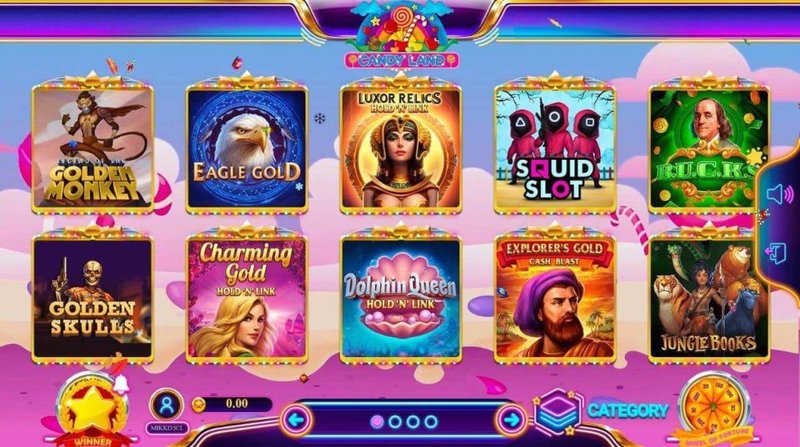
As VR social spaces expand, they intersect with other online pastimes. Many users who hang out in virtual lounges also dip into digital casino games. A friend of mine discovered Casino Candyland after a night of VR karaoke, noting how smoothly the shift from dancing avatars to spinning reels felt.
Which path should you take?
If you already own a headset and crave spontaneous meet‑ups, start with free platforms like VRChat or Horizon Worlds. They have low entry barriers and a massive library of rooms. If you prefer curated events and don’t mind paying for tickets, look for subscription‑free venues that host regular concerts or workshops. Finally, if you want to shape the world yourself, dive into Rec Room’s creator tools; the learning curve is steep, but the payoff is a personal space that reflects your style.
In short, the rise of immersive VR social gaming isn’t just about prettier graphics. It’s about affordable hardware, realistic social cues, fair monetization, and a thriving creator ecosystem. Choose the platform that fits your budget and social appetite, and you’ll find a community waiting just a headset away.
Frequently Asked Questions
What triggered the VR boom in 2022?
The dramatic drop in wait times for public VR rooms on Horizon Worlds showed developers had finally optimized network code for social interactions, leading to a surge in new shared spaces.
How did developers change their approach?
They shifted focus from solo experiences to social play, tuning latency and scaling infrastructure to support more concurrent users.
What impact did the hardware improvements have?
Higher-end VR headsets with better processing power enabled smoother streaming and richer interactions, making virtual parties more realistic.
Why is this boom significant for the industry?
It proved that social VR can thrive when technical barriers are removed, encouraging further investment and innovation in shared virtual environments.